Purvakarma
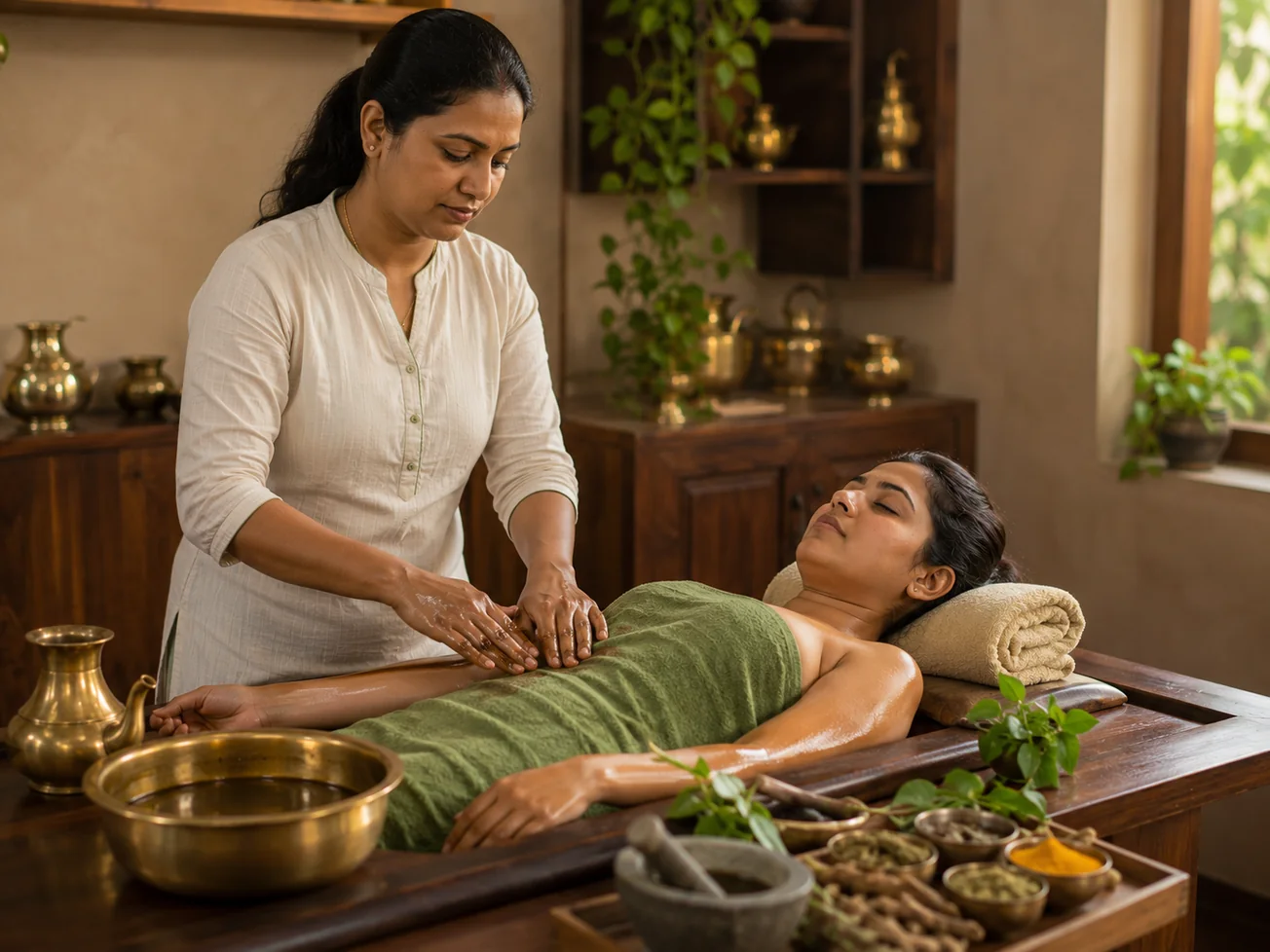
Preparatory measures may include internal or external oleation and fomentation, selected according to the case. The aim is to prepare the body rather than begin a major procedure suddenly.
Panchakarma
Panchakarma is considered according to individual need and should never be treated as a generic package.
Our approach
The clinic’s supplied material mentions all types of Panchakarma therapies. The classical five-fold framework is described below for education, while exact current offerings should be confirmed directly with the clinic.
Panchakarma is considered only where clinically appropriate and as part of the broader treatment journey.
Classical structure
In classical Ayurveda, the main procedure is usually surrounded by preparation and recovery. The exact sequence depends on the patient and the clinical objective.
Preparatory measures may include internal or external oleation and fomentation, selected according to the case. The aim is to prepare the body rather than begin a major procedure suddenly.
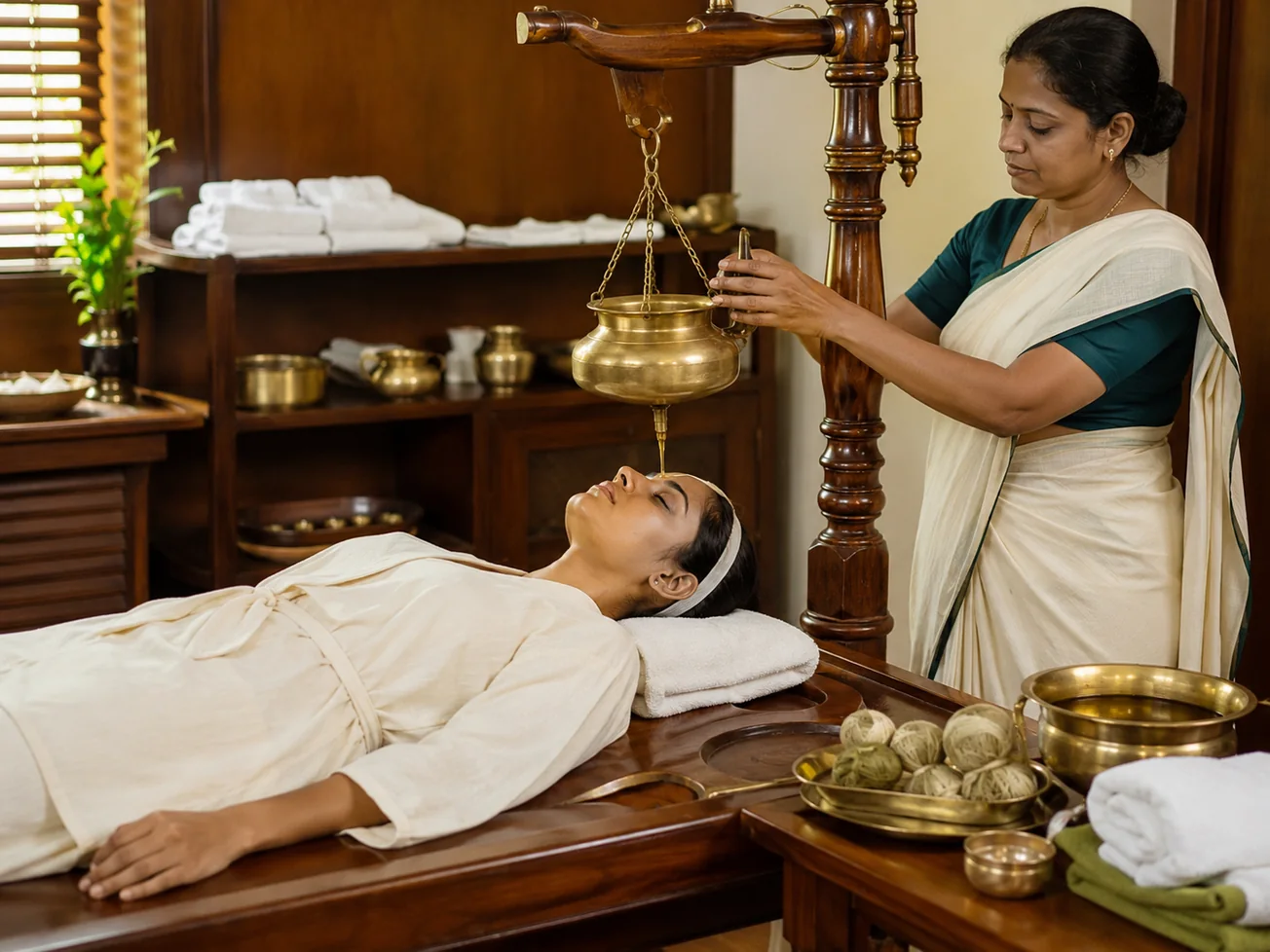
The main therapeutic procedure is selected according to the Ayurvedic assessment, condition, strength, age, season and physician judgement.
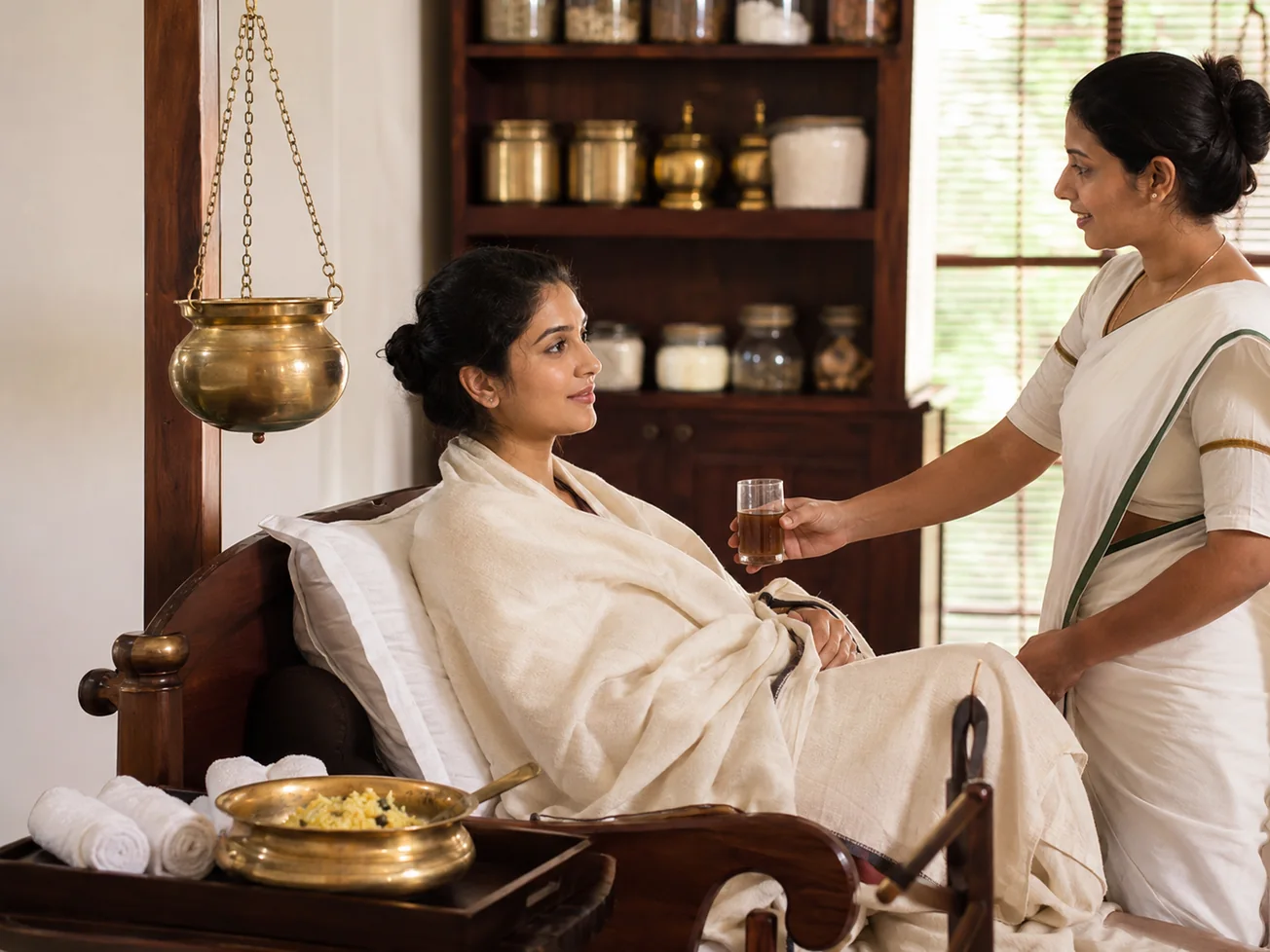
Post-procedure care may include a gradual diet, rest, observation and specific instructions. Recovery guidance is an important part of the process.
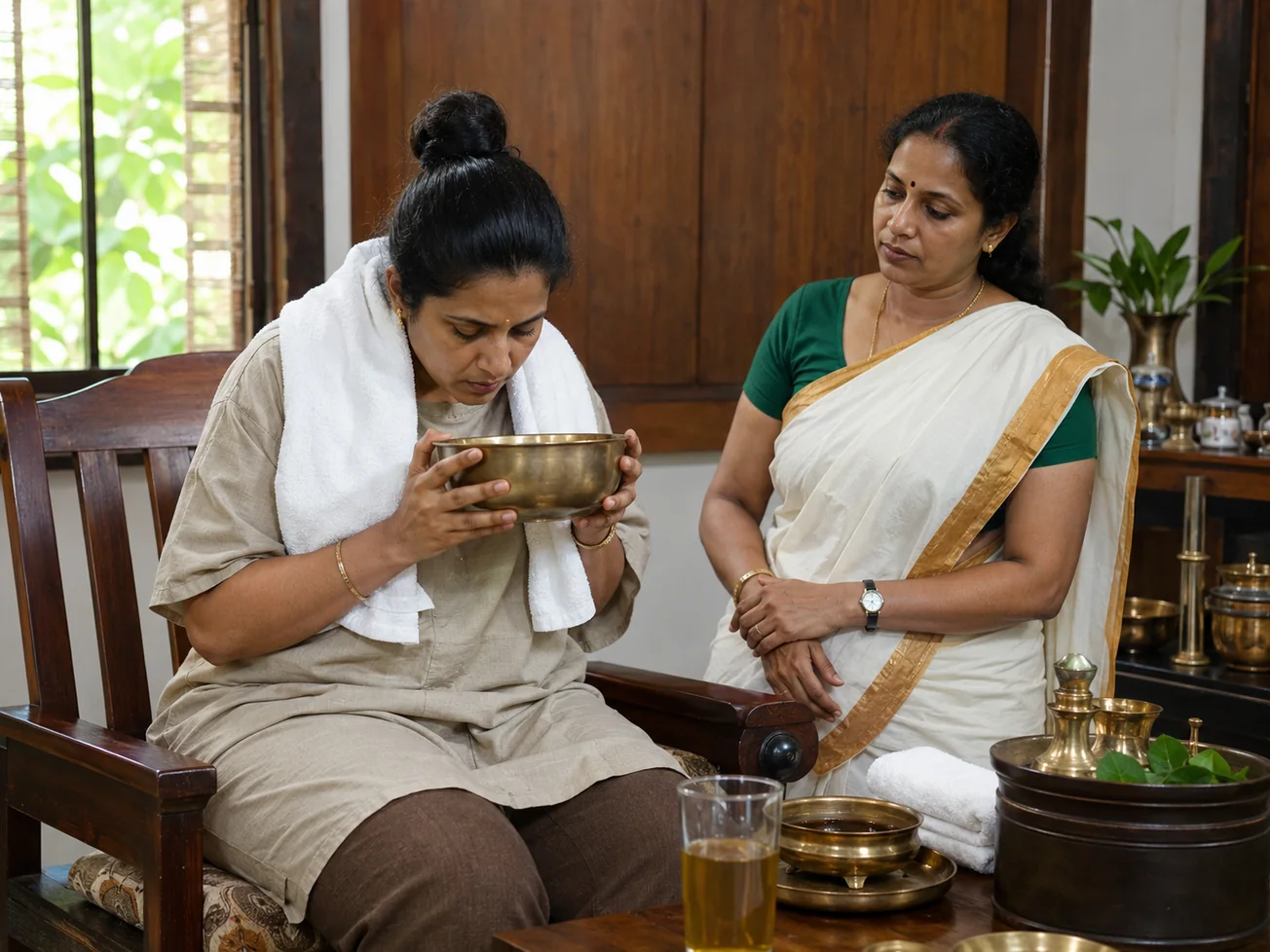
Classically described as medically supervised therapeutic emesis in selected conditions. It requires careful preparation, correct indication, observation and post-procedure care. It is not a home detox method.
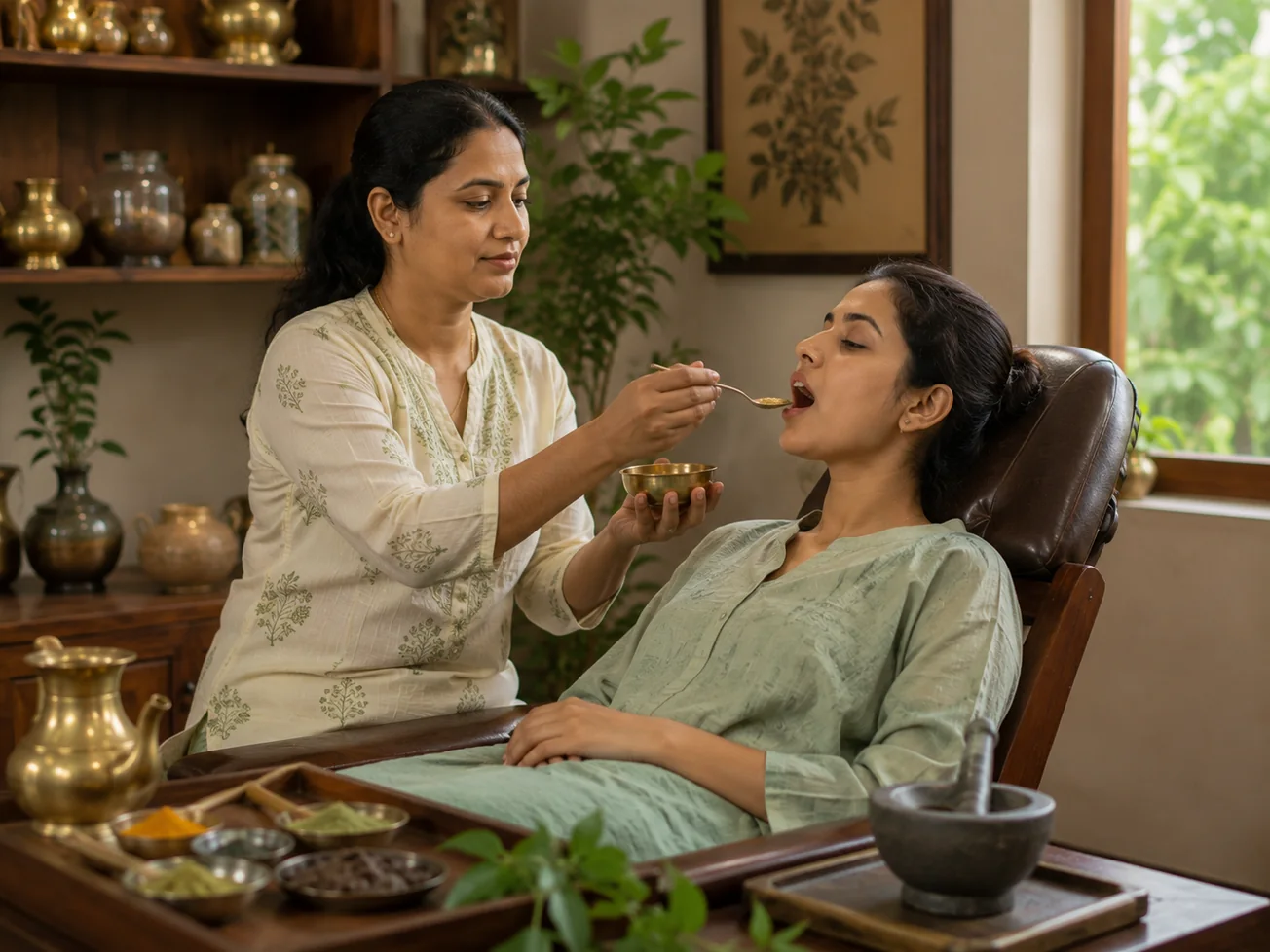
Classically associated with medically planned purgation in selected cases. The physician considers digestion, strength, age, season, medicines and contraindications before advising it.
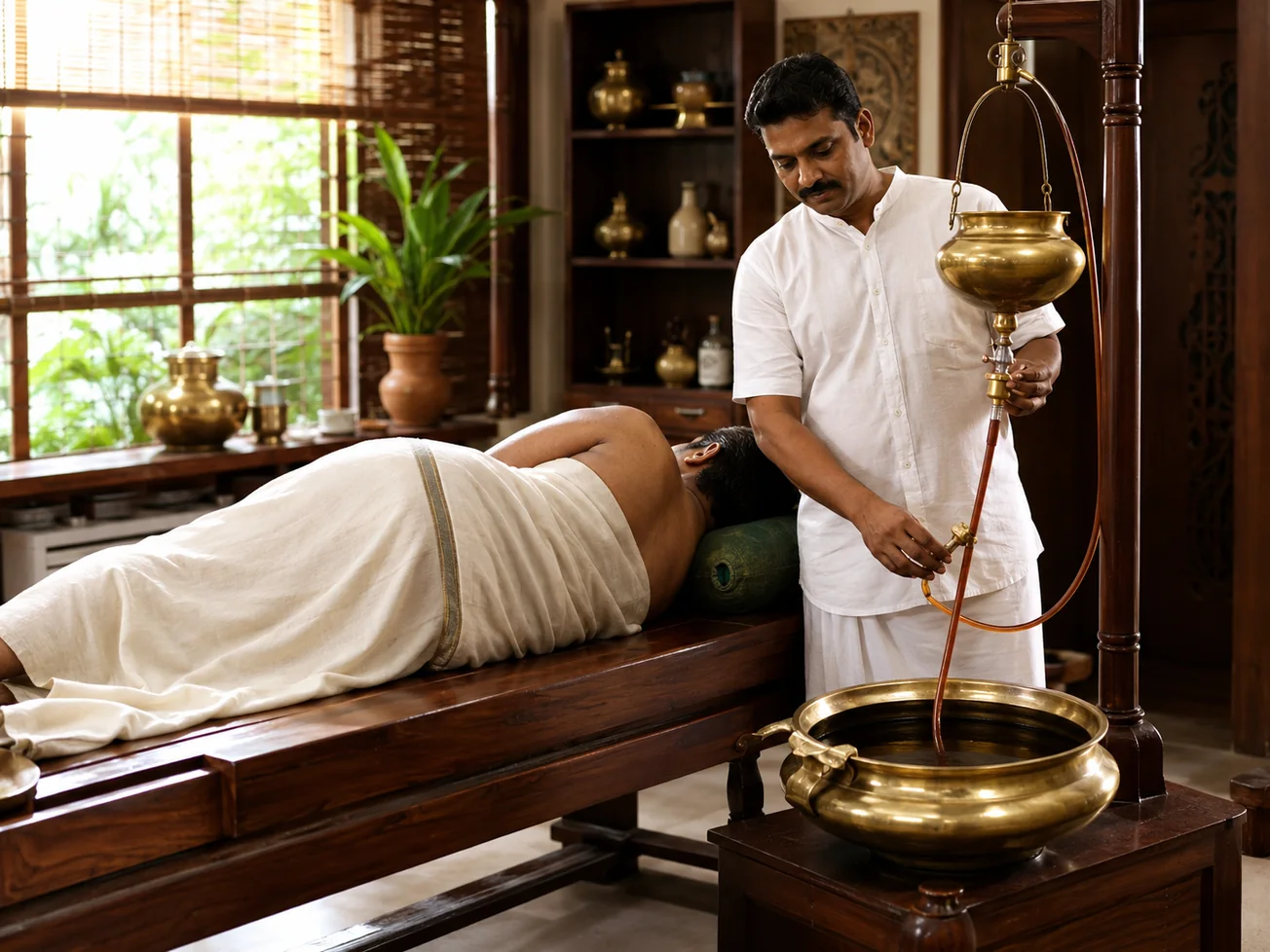
A therapeutic enema-based procedure that is central to many classical treatment plans. Different forms and substances may be used according to the clinical objective. It must be performed under professional guidance.
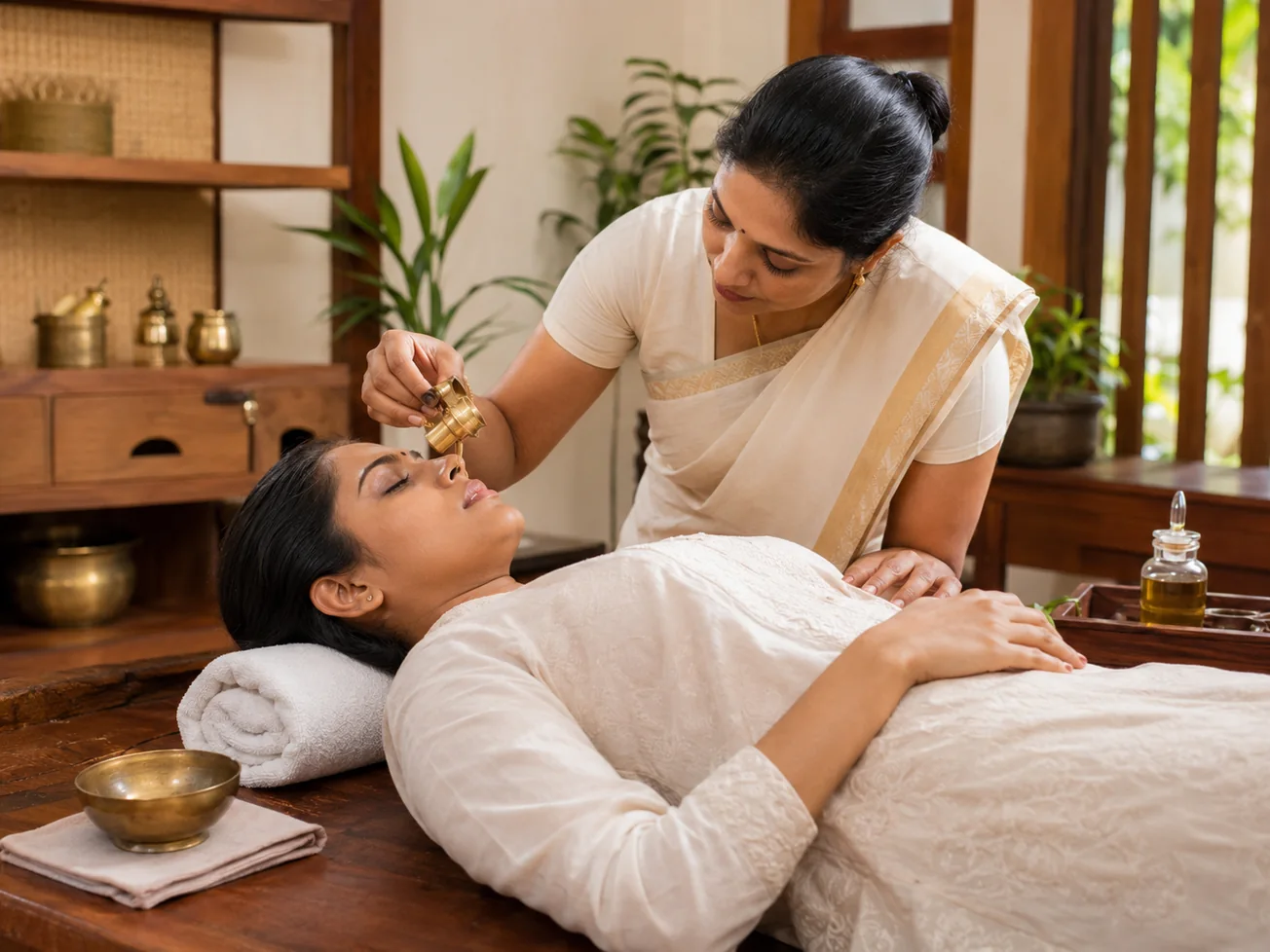
Therapeutic administration through the nasal route where indicated. Preparation, dose and substance vary, and it should not be confused with casually placing oils in the nose without assessment.
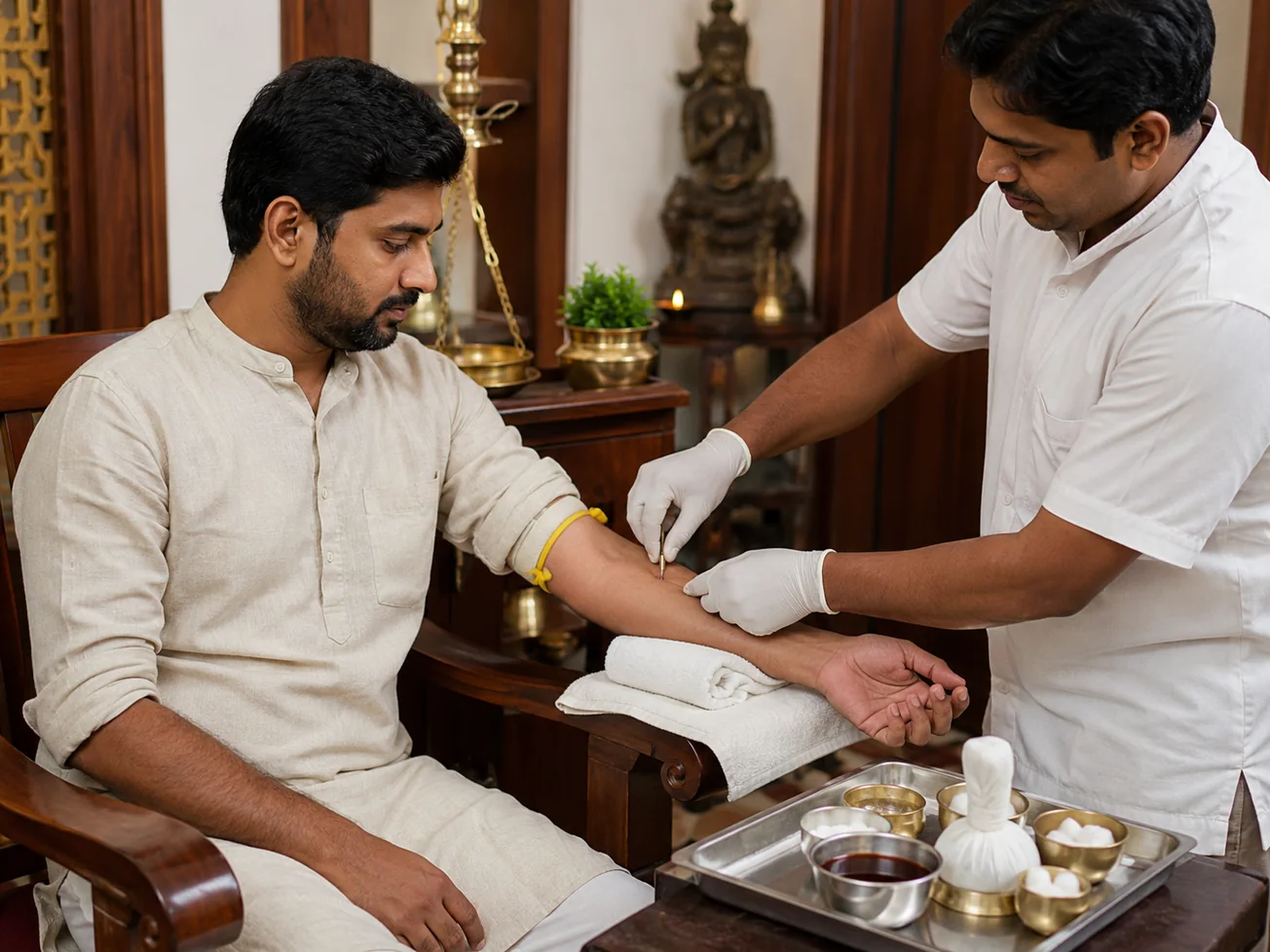
A traditional bloodletting procedure described within Ayurvedic frameworks for selected cases. It requires strict hygiene, correct indication and professional supervision.
Suitability & safety
Panchakarma is not automatically appropriate because a person feels tired, heavy or stressed. The doctor considers the health concern, age, strength, pregnancy status, current medicines, digestion, hydration, recent illness and other medical conditions.
Some procedures may need to be avoided, postponed or modified. Patients should disclose all relevant medical information.
Understand the purpose, preparation, duration, expected response and restrictions.
Report dizziness, weakness, unusual pain, breathing difficulty, vomiting, allergy or any unexpected symptom immediately.
Follow diet, rest and activity instructions carefully. Do not return immediately to heavy food or strenuous routines unless advised.
Severe symptoms require appropriate emergency medical care and should not be managed through routine therapy appointments.
Panchakarma FAQs
No. Massage may be used as a preparatory or supportive measure, but Panchakarma refers to a broader classical therapeutic framework and should be clinically planned.
The clinic may require consultation first. Choosing a procedure without assessment can be inappropriate or unsafe.
The duration varies widely depending on the selected therapy, preparation, recovery and clinical goal. Contact the clinic after consultation for a realistic schedule.
No guaranteed cure should be promised. It may be considered as part of an individual treatment plan, and results vary.
Some programmes may require rest or changes to routine. Ask the doctor before planning work, travel or exercise around the therapy period.
“I was very happy with the Panchakarma treatment, which was very effective.”Shivani Mehta • Google Review